International Law: Nations and Treaties
International law governs relations between nations and addresses transnational issues. Understanding international legal principles helps navigate global business, diplomacy, and human rights.
Sources of International Law
International law derives from treaties, custom, general principles, and judicial decisions. Treaties are written agreements between nations, analogous to contracts. Custom requires state practice accompanied by opinio juris—belief that practice is legally required.
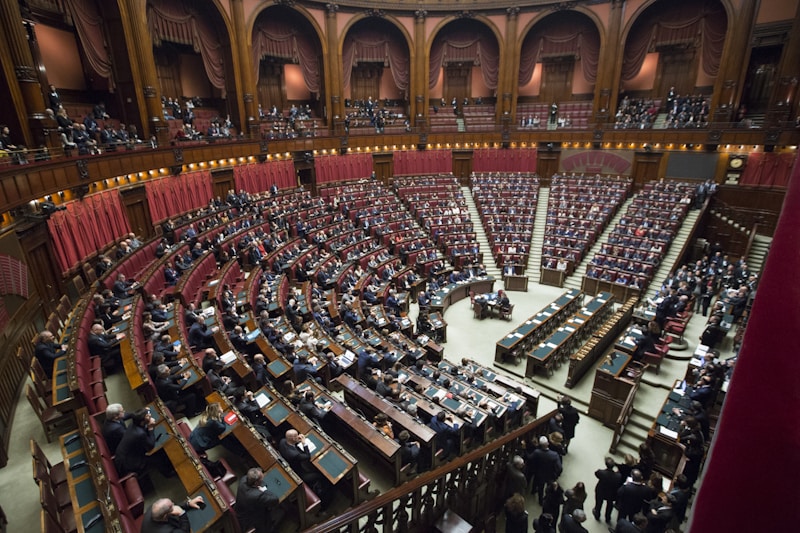
International organizations, particularly the United Nations, contribute to international law development. General principles common to national legal systems provide fallback rules.
Treaties
Treaty formation involves negotiation, signature, ratification, and entry into force. Reservations modify obligations for reserving states. Interpretive declarations clarify understanding without modifying obligations.
Self-executing treaties apply directly in domestic law. Non-self-executing treaties require implementing legislation. Treaty termination may occur through expiration, mutual agreement, or material breach.
Dispute Resolution
International disputes may be resolved through negotiation, mediation, arbitration, or judicial settlement. The International Court of Justice hears disputes between nations. The International Criminal Court prosecutes individuals for genocide, crimes against humanity, and war crimes.